
Gravel Driveway Swainsboro, GA
Built for Long Driveways.
Built for Georgia Weather.
New driveway installations in Swainsboro and across Emanuel County typically run $8–$18 per linear foot, with rural routes commonly reaching 200–600 feet. Local contractors serving this part of southeast Georgia build a 4–6 inch compacted crusher run base to keep surface stone from sinking into the region's sandy loam soil.
Driveway Services in Swainsboro, GA and Emanuel County
A properly installed driveway in Emanuel County requires a compacted crusher run base, a crowned surface that sheds water to the sides, and surface gravel matched to the traffic load — without those three elements, southeast Georgia's heavy storm seasons will deteriorate it within the first year. Every job starts with a free site assessment.
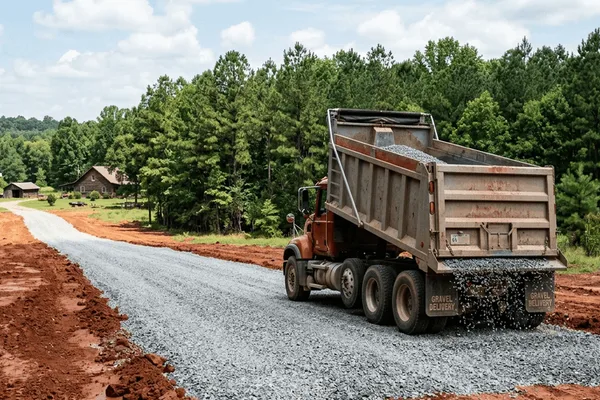
Gravel Driveway Installation
New driveway construction from scratch for Swainsboro and Emanuel County properties. Includes base prep, compacted crusher run base layer, surface gravel, and proper drainage crown grading. Built for the sandy loam soil and heavy storm seasons that define this part of southeast Georgia.
Learn More →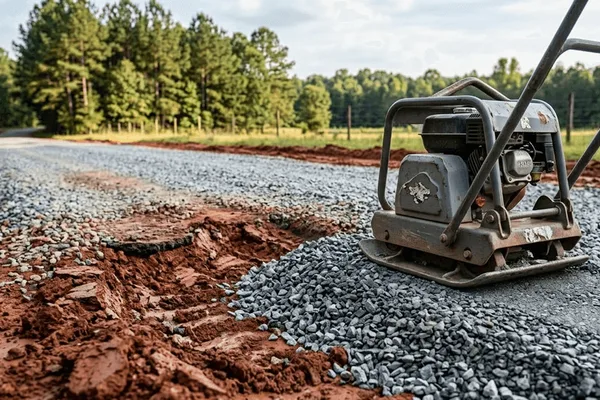
Gravel Driveway Repair
Pothole filling, rut repair, and washout restoration for existing driveways throughout Emanuel County. We match your existing gravel for a consistent surface — no guesswork on materials. Repairs that hold through Georgia's storm season on driveways local property owners rely on.
Learn More →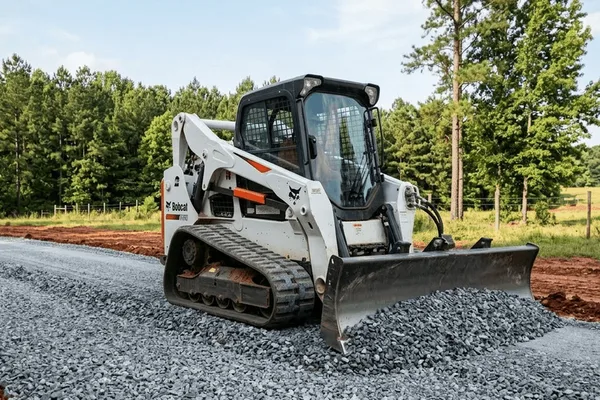
Driveway Grading
Regrading and crown restoration for worn or rutted driveways in Swainsboro and surrounding Emanuel County communities. Restores the proper drainage crown to move water off the surface and smooth out high and low spots caused by traffic and the region's heavy seasonal rains.
Learn More →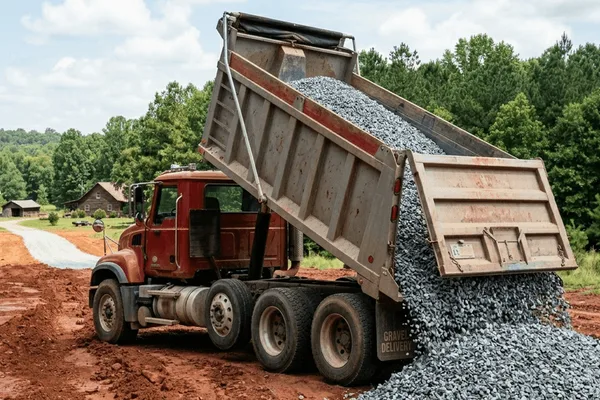
Gravel Delivery & Spreading
Driveway gravel delivery with crusher run, #57 stone, or other materials delivered and spread on your Emanuel County property — sized to your job, no overordering. One contractor from delivery to finished surface for properties across this area.
Learn More →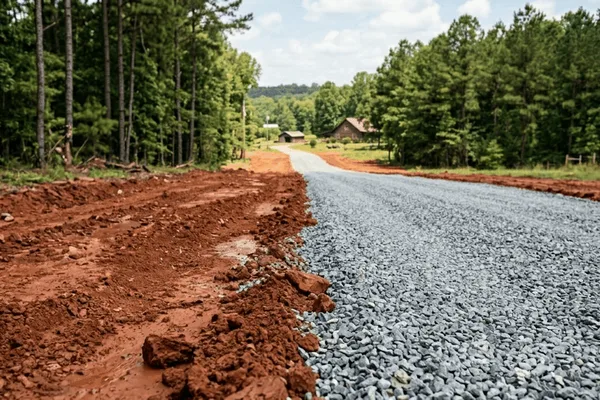
Driveway Restoration
Full resurfacing for driveways that have lost most of their surface material in Swainsboro and Emanuel County. New base work and fresh surface gravel applied to spec — not just a thin top-dressing over a compromised foundation. Addresses structural issues, not just appearance.
Learn More →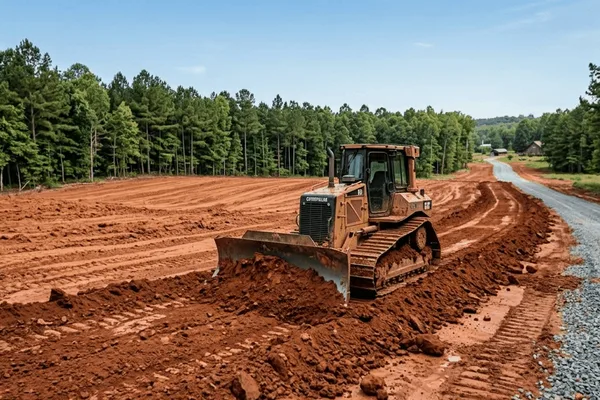
Land Grading
Site grading for new driveway access routes, farm roads, and rural property access in Emanuel County where no driveway currently exists. Establishes proper grade, drainage slope, and subgrade conditions before gravel goes down. The essential first step for raw land development.
Learn More →Why Swainsboro Property Owners Choose Local Contractors
Local contractors who know Emanuel County roads and soil for every project.
Free Property Assessments
Driveway length, base condition, site access, and drainage all affect your quote. We assess before we price — no guesswork, no surprises when the bill arrives.
Crusher Run Base Included
Proper driveways start with a compacted crusher run base. We don't skip that layer and drop surface stone on soft clay — that approach fails within a season.
Long Driveway Experience
Rural Georgia routes commonly run 300–600 feet or more. We're equipped for the long runs that suburban contractors won't quote — the right equipment, the right material volumes.
Drainage Grading Standard
Every installation includes proper crown grading. Water moves off the surface and away from your foundation — not down the center of your driveway and into your yard.
Why Emanuel County Projects Need the Right Approach
Southeast Georgia Soil Demands a Proper Base
Emanuel County's sandy loam drains quickly but shifts under heavy loads. Without a compacted crusher run base layer and geotextile fabric, surface gravel works its way down into the subsoil under traffic — and what was a fresh driveway becomes a rutted track within a year. Base preparation isn't optional here.
Site Assessment Prevents Costly Surprises
No two driveways in Emanuel County are the same. Length, access constraints, existing base condition, and drainage challenges all affect what the job requires — and what it will cost. An on-site walkthrough before quoting means the price reflects the real work, not a ballpark that grows once we arrive.
A Real Driveway vs. a Gravel Dump
A properly built driveway has three things: a compacted base that separates gravel from soft subgrade, a crowned surface that directs water to the sides, and adequate drainage to move that water away. A gravel dump is just stone dropped on bare ground. One lasts for years with simple maintenance. The other washes away in the first good storm.
Signs Your Driveway Needs Attention
Any of these conditions on your Emanuel County property means it's time for a quote:
- Potholes and ruts that refill with water after every rain
- Gravel has washed to the edges or into the yard, leaving a dirt track
- Standing water on the driveway surface after storms
- Soft spots where vehicles are leaving deep tire impressions
- New property access needed where no driveway currently exists
- Driveway has not been regraded or topped up in 3+ years
- Base failure visible — gravel sinking into soft subsoil underneath
Swainsboro, GA Service Area in Emanuel County
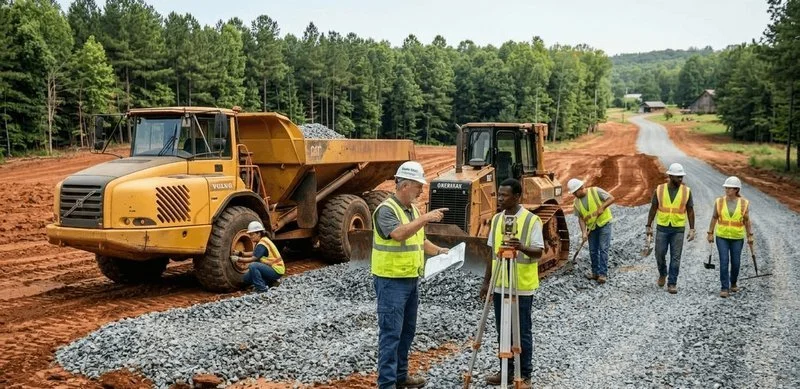
Swainsboro Gravel installs and repairs driveways throughout Emanuel County, Georgia. We serve Swainsboro and all surrounding communities — including rural routes well off the main roads in southeast Georgia.
Not sure if we serve your area? Send us your location — we'll confirm coverage when we respond to your quote request.
New property development in Emanuel County often requires land clearing before a driveway can be installed — Swainsboro Land Clearing handles site clearing and forestry mulching throughout the county.
Rural properties being developed from raw land often need a new well and driveway around the same time — Swainsboro Well Drilling drills residential and agricultural wells throughout Emanuel County.
Gravel Driveway Questions — Answered for Swainsboro and Emanuel County
How much does a gravel driveway cost?
In Emanuel County, Georgia, gravel driveway installation typically costs $8 to $18 per linear foot for a standard residential driveway, with full installations ranging from $2,000 to $8,000 or more. Cost depends on driveway length, base condition, gravel type, and site access. Rural driveways in Emanuel County commonly run 200–600 feet, so framing your estimate by total length gives the most realistic budget figure.
How deep should a gravel driveway be?
In Emanuel County, Georgia, a properly built gravel driveway should have 4–6 inches of compacted crusher run base material topped with 2–3 inches of surface gravel, for a total depth of 6–9 inches. Southeast Georgia's clay-heavy soil pockets require a solid compacted base to prevent the gravel from sinking. Skipping the base layer is the most common reason driveways in Emanuel County deteriorate quickly.
What is the best gravel for a driveway?
In Emanuel County, Georgia, crusher run (also called processed gravel or road base) is the best material for the base layer — it compacts tightly and interlocks with the soil. For the surface layer, #57 crushed stone is a common choice because it provides good drainage and a cleaner finished appearance. Pea gravel is sometimes used for aesthetics but tends to shift underfoot and scatter under vehicle traffic.
How do you fix potholes in a gravel driveway?
In Emanuel County, Georgia, gravel driveway pothole repair starts with clearing loose debris from the hole, then filling with compacted crusher run base material in layers to restore grade. Simply dumping gravel into the pothole without compacting it will cause the repair to wash out with the next rain. Severe or recurring potholes usually signal base failure — a sign the subgrade needs regrading before resurfacing.
Is a gravel driveway cheaper than concrete?
In Emanuel County, Georgia, a gravel driveway typically costs 60–80% less than concrete for the same length. A 300-foot gravel driveway might run $3,000–$6,000 installed, while the same length in concrete could cost $15,000 or more. For long rural driveways common in Emanuel County, gravel is the practical and cost-effective choice — and it can be regraded and topped up as needed, unlike concrete which requires full replacement when damaged.
How do you stop gravel driveway erosion?
In Emanuel County, Georgia, gravel driveway erosion is controlled through proper crown grading — shaping the driveway surface so water drains off to the sides rather than pooling and channeling down the center. Drainage swales alongside the driveway carry runoff away from the surface. On sloped driveways, properly sized drainage culverts and cross-drains are essential. Annual regrading catches early erosion before it becomes full washout.
Who installs gravel driveways near me?
In Emanuel County, Georgia, Swainsboro Gravel installs and repairs gravel driveways throughout Swainsboro and surrounding Emanuel County communities including Twin City, Adrian, Nunez, Stillmore, and Oak Park. We provide free quotes for new driveway installation, pothole repair, regrading, gravel delivery and spreading, driveway restoration, and land grading.
Can a gravel driveway be plowed?
In Emanuel County, Georgia, snow and ice events are rare, but yes — a well-built gravel driveway can be plowed with care using a raised blade set slightly above grade to avoid scraping off the surface layer. More commonly in southeast Georgia, the concern is using heavy equipment for regular property maintenance: well-compacted gravel driveways can handle tractor traffic, heavy pickups, and equipment typical of rural Emanuel County properties.
How long does a gravel driveway last?
In Emanuel County, Georgia, a properly installed gravel driveway with a compacted crusher run base lasts indefinitely with annual maintenance — typically a top-dressing of fresh gravel every 2–4 years and regrading as needed after heavy storm seasons. The surface material naturally compacts and migrates over time, but unlike asphalt or concrete, gravel is easily replenished rather than replaced.
What is crusher run and is it good for driveways?
In Emanuel County, Georgia, crusher run is a processed stone blend that includes crushed aggregate and stone dust — it compacts tightly and forms a stable, bound surface that resists movement. It is the preferred base material for gravel driveways throughout southeast Georgia because it bonds well with the underlying soil and stays in place under heavy vehicle loads. Applied and compacted in 2-inch lifts, crusher run creates the structural foundation that makes a driveway durable long-term.
How do you fix ruts in a gravel driveway?
In Emanuel County, Georgia, fixing ruts in a gravel driveway requires regrading the surface with a box blade or motor grader to redistribute existing material and restore the proper crown, then adding fresh gravel to replace what has been displaced. Deep ruts that recur quickly after grading usually indicate the base layer is soft — which may require adding crusher run and recompacting before resurfacing. Simply filling ruts with surface gravel without restoring the crown is a temporary fix that will fail in the next heavy rain.
How wide should a gravel driveway be?
In Emanuel County, Georgia, a standard single-lane residential gravel driveway should be at least 10–12 feet wide, while a two-lane or farm-use driveway typically runs 14–18 feet wide. Driveways that serve agricultural equipment or regular delivery truck access benefit from the wider dimension. Turnarounds at the end of long driveways need a minimum 30-foot radius to allow vehicles to reverse and exit without backing the full length of the drive.
What size gravel is best for a driveway?
In Emanuel County, Georgia, #57 crushed stone (roughly 3/4-inch diameter) is the most common surface material for residential gravel driveways — it provides good drainage, holds its position reasonably well under traffic, and gives a clean finished appearance. For base layers, crusher run (a mix of crushed stone and stone dust in various sizes) is preferred because the varied particle sizes compact together more effectively than uniformly sized gravel.
Does a gravel driveway need a base layer?
In Emanuel County, Georgia, yes — a gravel driveway absolutely needs a compacted base layer, especially given the clay and mixed soil profiles common in the region. Without a proper crusher run base compacted to 4–6 inches, surface gravel will sink into the soft subgrade under vehicle loads, creating ruts and soft spots within months. The base layer is what separates a durable gravel driveway from a driveway that looks good for one season and fails the next.
What are the pros and cons of a gravel driveway?
In Emanuel County, Georgia, the main advantages of a gravel driveway are significantly lower upfront cost compared to concrete or asphalt, easy top-up maintenance, natural drainage, and suitability for long rural driveways where paving would be prohibitively expensive. The main drawbacks are the need for periodic regrading and top-dressing, potential gravel migration onto lawns or shoulders, and a rougher surface feel compared to paved options. For most rural Emanuel County properties, the economics strongly favor gravel.
How do you keep gravel from washing away on a driveway?
In Emanuel County, Georgia, preventing gravel washout requires three things: proper crown grading (highest point at center, sloping to edges), adequate drainage swales along both sides to carry runoff, and a compacted base layer that prevents gravel from migrating into soft soil underneath. On sloped sections, cross-drain culverts or grade breaks interrupt the downhill flow of water before it accelerates and sweeps gravel off the surface.
How often does a gravel driveway need to be regraded?
In Emanuel County, Georgia, most gravel driveways benefit from regrading once a year — typically in late spring after the heaviest storm season has passed. Driveways with heavy daily use, long lengths, or sections with slopes may need regrading twice a year. Annual regrading restores the crown, redistributes displaced gravel, and addresses developing ruts before they become deep enough to require base repair.
Can you install a gravel driveway on a slope?
In Emanuel County, Georgia, yes — gravel driveways can be installed on sloped terrain with proper technique. The key considerations are grade (grades above 12% can accelerate gravel washout significantly), cross-drains to intercept downhill water flow, and using crusher run rather than round stone on slopes so the material binds rather than rolls. For steep sections, we assess whether additional drainage structures or alternative materials make more sense than standard gravel.
How much gravel do I need for a driveway?
In Emanuel County, Georgia, a rough estimate for surface gravel on a standard residential driveway is one ton of #57 stone per 100 linear feet at 12 feet wide and 2 inches deep. A 300-foot driveway at standard width needs approximately 3 tons of surface material per application. Base material (crusher run) requires roughly 1.5 tons per 100 linear feet at 4-inch depth. Your specific quantities depend on driveway width, depth, and whether base work is needed — a site assessment gives a precise estimate.
What is the difference between #57 stone and crusher run?
In Emanuel County, Georgia, #57 stone is a clean, uniformly sized crushed granite or limestone (approximately 3/4 inch) that is used as surface material — it drains well but does not bind or compact because all particles are the same size. Crusher run is a blend of crushed stone in multiple sizes plus stone dust, which allows the particles to interlock and compact tightly — making it ideal for base layers. The two materials work together: crusher run forms the structural foundation, and #57 stone goes on top as the finished surface.
How long does gravel driveway installation take?
In Emanuel County, Georgia, most residential gravel driveway installations are completed in one to two days once materials are on-site. A standard 200–300 foot driveway on a cleared site with stable subgrade can typically be finished in a single day — subgrade shaping, base compaction, and surface gravel applied in sequence. Longer driveways (400–600 feet), sites requiring culvert installation, or properties needing significant land clearing or subgrade correction before gravel can go down may take two to three days. Weather and ground conditions after recent heavy rain can also affect scheduling.
Do I need to clear land before installing a gravel driveway?
In Emanuel County, Georgia, any vegetation, brush, stumps, or debris along the driveway route must be cleared before gravel installation can begin. For raw rural land where no access currently exists, land clearing and grubbing is the essential first step before the subgrade can be shaped and gravel applied. Properties being developed from scratch — a new home site, a timber tract, or undeveloped acreage — typically require clearing, then land grading, then gravel installation in sequence. If your site is already cleared and the ground is stable, we can proceed directly to subgrade prep and gravel.
Is a gravel driveway good for rural property in Georgia?
In Emanuel County and throughout rural southeast Georgia, gravel driveways are the standard access solution for rural residential property, farm roads, and timber tract entries — and for good reason. A properly installed gravel driveway costs a fraction of concrete or asphalt and handles the long driveway lengths (200–800 feet) common on rural properties in Emanuel County without the drainage and cracking problems that paved surfaces develop over time. Gravel also allows easy repairs and top-dressing without special equipment. For properties where the driveway doubles as a farm road or equipment access route, properly sized crusher run or #57 stone handles heavy loads better than most homeowners expect.
Request a Free Driveway Quote
Tell us about your project in Swainsboro and Emanuel County and we'll get back to you with a free assessment and quote. No obligation — just honest information about what your driveway project will take.
Request Received!
Thank you — we'll review your project details and get back to you with a free quote. Check your email for confirmation.